Cevurı: Complete Guide to Translation, Language Conversion, and Modern Translation Methods

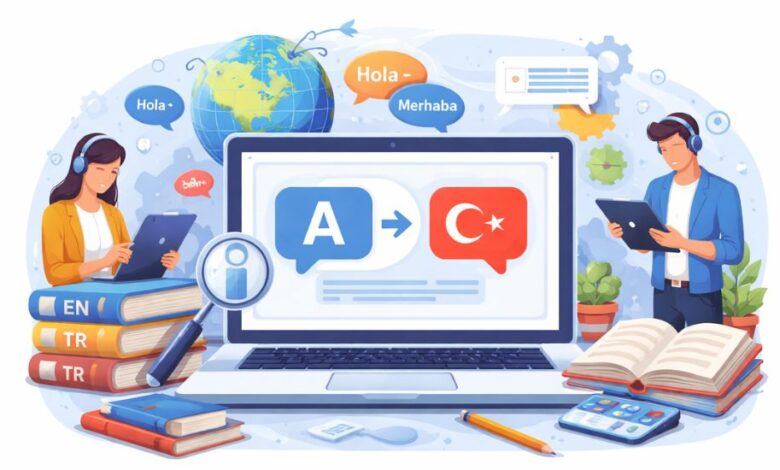
The word “cevurı” is commonly understood as a variation or misspelling of the Turkish word “çeviri,” which means translation. Translation is one of the most important forms of communication in the modern world. It allows people, businesses, students, and organizations to understand information written or spoken in another language. Without translation, international trade, tourism, education, diplomacy, and even entertainment would be much more difficult.
Today, translation is no longer limited to books and official documents. People use translation every day through websites, mobile apps, social media, subtitles, online stores, and business emails. Whether someone wants to understand a foreign article, communicate with international clients, or translate a website into another language, translation has become a necessary skill and service.
In this article, we will explore the meaning of cevurı, the history of translation, the different types of translation, modern translation tools, the difference between human and machine translation, common translation challenges, and the future of the translation industry.
What Does Cevurı Mean?
Cevurı refers to the process of changing words, sentences, or ideas from one language into another while keeping the original meaning. The purpose of translation is not simply to replace one word with another. A good translation must preserve meaning, tone, context, and cultural understanding.
For example, if a sentence is translated word-for-word, the result may sound unnatural or even incorrect. This is because every language has its own structure, grammar, expressions, and cultural references.
A proper translation should:
- Keep the original meaning
- Use natural language in the target language
- Respect grammar and sentence structure
- Consider cultural differences
- Maintain the tone and style of the original content
For example, an English phrase such as “break the ice” does not literally mean to break actual ice. It means to make people feel comfortable. In another language, the translator may need to use a completely different expression that has the same meaning.
The Importance of Translation in Modern Life
Translation plays an important role in almost every part of life. In the modern digital age, people and businesses communicate across borders every day. Because thousands of languages are spoken around the world, translation helps remove language barriers.
Translation in Business
Businesses use translation to communicate with international customers, suppliers, and partners. A company that wants to sell products in another country often needs to translate:
- Product descriptions
- Websites
- Advertisements
- User manuals
- Customer support messages
- Contracts and legal documents
A poorly translated website can damage a company’s image and reduce customer trust. On the other hand, a well-translated website can help a business reach more people and increase sales.
Translation in Education
Students and researchers often need translated materials to study books, journals, and articles written in foreign languages. Translation allows educational knowledge to spread globally.
For example, many scientific papers are written in English. Students who speak other languages rely on translation to understand those papers.
Translation in Travel and Tourism
Tourists often use translation apps and translated signs to travel safely and comfortably in foreign countries. Hotels, airports, restaurants, and travel companies translate information so international visitors can understand it.
Translation in Entertainment
Movies, TV shows, books, games, and songs are often translated into different languages. Subtitles and dubbing allow people around the world to enjoy international entertainment.
Without translation, many famous films, books, and online videos would only be available to a small audience.
The History of Translation
Translation has existed for thousands of years. People have always needed ways to communicate with those who speak different languages.
In ancient times, translation was mainly used for religion, government, and trade. One of the earliest known translation projects was the translation of religious texts into different languages.
As civilizations grew, translation became more important. Ancient Greek, Latin, Arabic, Chinese, and Persian texts were translated into many other languages. These translations helped spread knowledge about science, philosophy, medicine, and literature.
During the Middle Ages, translators played a major role in preserving ancient knowledge. Scholars translated important books from Arabic into Latin, which later influenced Europe.
In modern times, translation expanded rapidly because of globalization, international business, and the internet.
Types of Translation
There are many different kinds of translation. Each type requires different skills and knowledge.
Literary Translation
Literary translation involves translating novels, poems, stories, and plays. This is one of the most difficult forms of translation because the translator must preserve not only meaning but also style, emotion, and artistic expression.
A literary translator often needs to understand:
- Metaphors
- Idioms
- Cultural references
- Humor
- Emotional tone
Technical Translation
Technical translation is used for manuals, instructions, engineering documents, and technical reports. Accuracy is extremely important because even a small mistake can cause confusion.
Examples include:
- User guides
- Machine instructions
- Software manuals
- Engineering reports
Legal Translation
Legal translation includes contracts, certificates, court documents, laws, and official records. Legal language is very specific, so translators must understand legal terminology.
Examples include:
- Birth certificates
- Marriage certificates
- Business contracts
- Court decisions
- Immigration papers
Medical Translation
Medical translation is used for prescriptions, medical reports, patient information, and healthcare instructions. Mistakes in medical translation can be dangerous, so accuracy is essential.
Website Translation and Localization
Website translation means translating a website into another language. Localization goes even further. It changes content so it feels natural and culturally appropriate for people in another country.
For example, a website may need to change:
- Currency
- Date formats
- Images
- Colors
- Cultural references
- Local expressions
Localization is especially important for businesses that want to reach international audiences.
Human Translation vs Machine Translation
One of the biggest discussions in the translation industry today is the difference between human translation and machine translation.
What Is Machine Translation?
Machine translation uses software or artificial intelligence to translate text automatically. Popular machine translation tools include:
- Google Translate
- Microsoft Translator
- DeepL
- AI language tools
Machine translation is fast and often free. People use it every day to understand simple messages, websites, and short texts.
Advantages of machine translation:
- Very fast
- Low cost
- Easy to use
- Useful for basic understanding
However, machine translation also has several weaknesses.
Disadvantages of machine translation:
- Can misunderstand context
- Often translates idioms incorrectly
- May create unnatural sentences
- Struggles with humor and emotions
- Can make serious mistakes in legal or medical documents
Why Human Translation Is Still Important
Human translators understand culture, emotion, tone, and context. They can recognize when a sentence has multiple meanings and choose the best translation.
For example, the English word “bank” can mean a financial institution or the side of a river. A machine may not always understand which meaning is correct.
Human translators are still necessary for:
- Professional documents
- Business communication
- Marketing content
- Legal papers
- Medical information
- Creative writing
In many cases, companies use machine translation first and then ask a human translator to review and improve the text. This process is called post-editing.
Common Challenges in Translation
Translation is not always simple. Translators face many challenges when converting text from one language to another.
Idioms and Expressions
Every language has unique idioms. Translating them literally can create confusion.
For example:
- “It’s raining cats and dogs” does not mean animals are falling from the sky.
- “Piece of cake” means something is easy.
A translator must replace these expressions with similar phrases in the target language.
Cultural Differences
Some words and ideas exist in one culture but not in another. Translators must adapt the text so readers can understand it.
For example, jokes, holidays, foods, traditions, and social customs may need explanation or replacement.
Grammar Differences
Languages have different grammar rules. Some languages place verbs at the beginning of a sentence, while others place them at the end.
Gender, tense, plural forms, and sentence order can also be very different.
Maintaining Tone
A translator must preserve the original tone of the text. A serious article should remain serious. A humorous story should still feel funny.
The translator must understand whether the text is:
- Formal
- Informal
- Friendly
- Professional
- Emotional
- Persuasive
Specialized Terminology
Many industries use special words and technical terms. A translator working on a medical article or legal contract must know the correct vocabulary.
Without proper knowledge, the translation may become inaccurate.
Best Tools for Modern Translation
Modern technology has made translation easier than ever. There are many useful tools available for students, businesses, and translators.
Google Translate
Google Translate is one of the most popular translation tools in the world. It supports many languages and can translate:
- Text
- Images
- Voice
- Websites
It is useful for quick and simple translations.
DeepL
DeepL is known for producing more natural and accurate translations in some languages. Many professional translators use it as a support tool.
Microsoft Translator
Microsoft Translator is another popular tool used for business, websites, and communication.
Translation Memory Software
Professional translators often use special software called CAT tools, which means Computer-Assisted Translation tools.
Popular CAT tools include:
- SDL Trados
- MemoQ
- Smartcat
- Wordfast
These tools save previously translated sentences so translators can work faster and remain consistent.
How to Improve Translation Quality
Good translation requires more than language knowledge. Here are some ways to improve translation quality:
- Understand the full context before translating.
- Avoid word-for-word translation.
- Use simple and natural language.
- Research cultural differences.
- Review and edit the translation carefully.
- Use professional tools when necessary.
- Ask a native speaker to check the final text.
A translator should always read the completed translation as if it were originally written in that language.
The Future of Cevurı and Translation
The future of translation is strongly connected to artificial intelligence and technology. AI translation tools are improving every year. They are becoming faster, smarter, and more accurate.
In the future, translation may include:
- Real-time speech translation
- Better AI understanding of context
- Instant website translation
- Voice assistants that speak multiple languages
- More accurate translation for business and education
Even though AI will continue to grow, human translators will still remain important. Technology can help with speed, but humans are better at understanding emotion, culture, and meaning.
The best future solution may be a combination of both machine and human translation.
Why Cevurı Matters More Than Ever
Cevurı, or translation, is no longer only a professional service. It is part of daily life. Every time people read a translated article, watch subtitles, use a translation app, or visit a multilingual website, they are using translation.
As the world becomes more connected, translation will become even more important. Businesses will need it to grow internationally, students will need it to learn from global knowledge, and ordinary people will use it to communicate with others.
Whether through technology or professional translators, cevurı helps people understand each other and share ideas across cultures and languages.
For readers who want to learn more about digital communication, language tools, and modern internet trends, Empire Blogs is a useful English blog site that regularly shares helpful information, guides, and educational articles.