
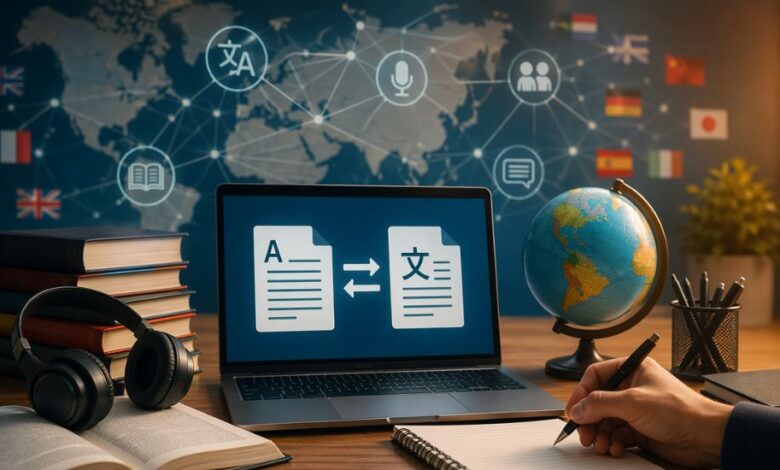
Introduction
In an increasingly interconnected world, communication across languages is no longer optional—it is essential. The term “преводсч” (translator) represents one of the most important roles in modern society: enabling people from different linguistic and cultural backgrounds to understand each other. Whether in business, education, travel, or digital communication, translation plays a key role in breaking down barriers.
This article explores the full scope of what a преводсч is, the skills required, challenges faced, tools used, and how the future of translation is evolving.
🔍 What Does “Преводсч” Mean?
The word “преводсч” originates from Slavic languages and directly translates to “translator” in English. A преводсч is responsible for converting written text or spoken words from one language into another while preserving the original meaning, tone, and context.
There are generally two main types of translation:
- Written Translation – Converting documents, books, articles, or digital content
- Interpretation – Translating spoken language in real-time (e.g., conferences, meetings)
Although these roles are related, they require slightly different skill sets and approaches.
📖 The Historical Importance of Translation
Translation has existed for thousands of years and has played a vital role in shaping civilizations. Ancient translators helped spread religious texts, scientific knowledge, and literature across borders.
Some key historical impacts include:
- Preservation of ancient knowledge through translation
- Cultural exchange between civilizations
- Expansion of trade and diplomacy
Without translation, much of the world’s shared knowledge would remain inaccessible.
🌐 Why Translation Matters Today
In the modern world, the role of a преводсч is more important than ever. Globalization has increased the need for clear and accurate communication across languages.
Key Areas Where Translation is Essential:
- Business & التجارة (Trade)
Companies expand globally and need translated content for marketing, contracts, and communication. - Education
Students access learning materials from different countries. - Healthcare
Accurate translation can be critical for patient safety. - Technology & Internet
Websites, apps, and software must support multiple languages. - Travel & Tourism
Translation enhances the experience for international travelers.
Translation is not just about language—it is about accessibility and inclusion.
🧠 Skills Required to Become a Successful Преводсч
Being a translator requires much more than simply knowing two languages. It involves a combination of linguistic, analytical, and cultural skills.
1. Language Proficiency
A преводсч must have near-native fluency in at least two languages, including grammar, vocabulary, and idioms.
2. Cultural Awareness
Language is deeply tied to culture. Translators must understand cultural nuances to avoid misinterpretation.
3. Research Skills
Translators often work with technical or specialized content that requires in-depth research.
4. Writing Skills
A good translator must also be a strong writer in the target language.
5. Attention to Detail
Even a small mistake can change the meaning of a sentence.
6. Time Management
Professional translators often work under deadlines and manage multiple projects.
⚠️ Challenges Faced by Translators
Translation is not as simple as replacing words from one language with another. It comes with several challenges:
1. Idioms and Expressions
Idioms often have meanings that cannot be translated literally.
2. Maintaining Tone and Style
A formal document must remain formal, while a creative text should retain its artistic tone.
3. Technical Terminology
Fields like medicine, law, and engineering require precise terminology.
4. Ambiguity in Language
Some words have multiple meanings, making translation complex.
5. Cultural Differences
What is acceptable in one culture may not be in another.
Overcoming these challenges requires both skill and experience.
🤖 Technology and Modern Translation Tools
Technology has transformed the field of translation. Today, translators use various tools to improve efficiency and accuracy.
One of the most widely used tools is Google Translate, which provides instant translations across many languages. While such tools are useful, they are not perfect.
Popular Translation Tools Include:
- Machine translation software
- Computer-assisted translation (CAT) tools
- Speech-to-text translators
- AI-powered translation platforms
Pros of Translation Technology:
- Fast and accessible
- Cost-effective
- Useful for basic communication
Cons:
- Lack of cultural understanding
- Errors in complex sentences
- Limited accuracy for professional use
Human translators are still essential for high-quality and reliable translation.
🧑💼 Types of Translators (Преводсч)
There are different types of translators depending on their specialization:
1. Literary Translators
Translate books, novels, and poetry while preserving artistic meaning.
2. Technical Translators
Work with manuals, scientific documents, and technical content.
3. Legal Translators
Translate contracts, legal documents, and court materials.
4. Medical Translators
Handle healthcare-related documents and patient communication.
5. Business Translators
Work on corporate communication, marketing, and financial documents.
6. Interpreters
Translate spoken language in real-time during meetings or events.
Each type requires specialized knowledge and expertise.
💼 Career Opportunities for Преводсч
Translation is a growing career field with many opportunities:
Employment Options:
- Freelance translator
- In-house corporate translator
- Government or дипломатия (diplomacy) roles
- International organizations
- Content localization specialist
Advantages of the Career:
- Flexible working conditions
- Opportunity to work remotely
- Exposure to global cultures
- Continuous learning
Challenges:
- Competitive market
- Variable income for freelancers
- High expectations for accuracy
Despite challenges, translation remains a rewarding profession.
📈 The Future of Translation
The future of преводсч is closely tied to advancements in artificial intelligence and machine learning.
Emerging Trends:
- Real-time translation devices
- AI-powered language models
- Voice translation technology
- Increased demand for localization
While machines are improving, they still lack the human ability to fully understand context, emotion, and culture.
Human vs Machine Translation
FeatureHuman TranslatorMachine TranslationAccuracyHighModerateCultural UnderstandingExcellentLimitedSpeedModerateVery FastCreativityHighLow
The future will likely involve collaboration between humans and AI rather than replacement.
📝 Tips for Becoming a Successful Преводсч
If you want to pursue a career as a translator, consider these tips:
- Master at least two languages deeply
- Choose a specialization (legal, medical, etc.)
- Practice regularly with real-world content
- Use modern translation tools
- Build a strong portfolio
- Stay updated with language trends
Consistency and dedication are key to success in this field.
🌟 Conclusion
The concept of преводсч goes far beyond simple translation—it represents connection, understanding, and global unity. Translators play a vital role in shaping communication across cultures, industries, and nations.
As technology continues to evolve, the demand for skilled translators will remain strong. Human expertise, combined with advanced tools, will define the future of translation.
If you are passionate about languages and cultures, becoming a преводсч can be both a fulfilling and impactful career path.
✍️ Final Note
This article is proudly presented by Empire Blogs, where we share in-depth knowledge, insights, and informative content across a wide range of topics to help readers stay informed and inspired.
